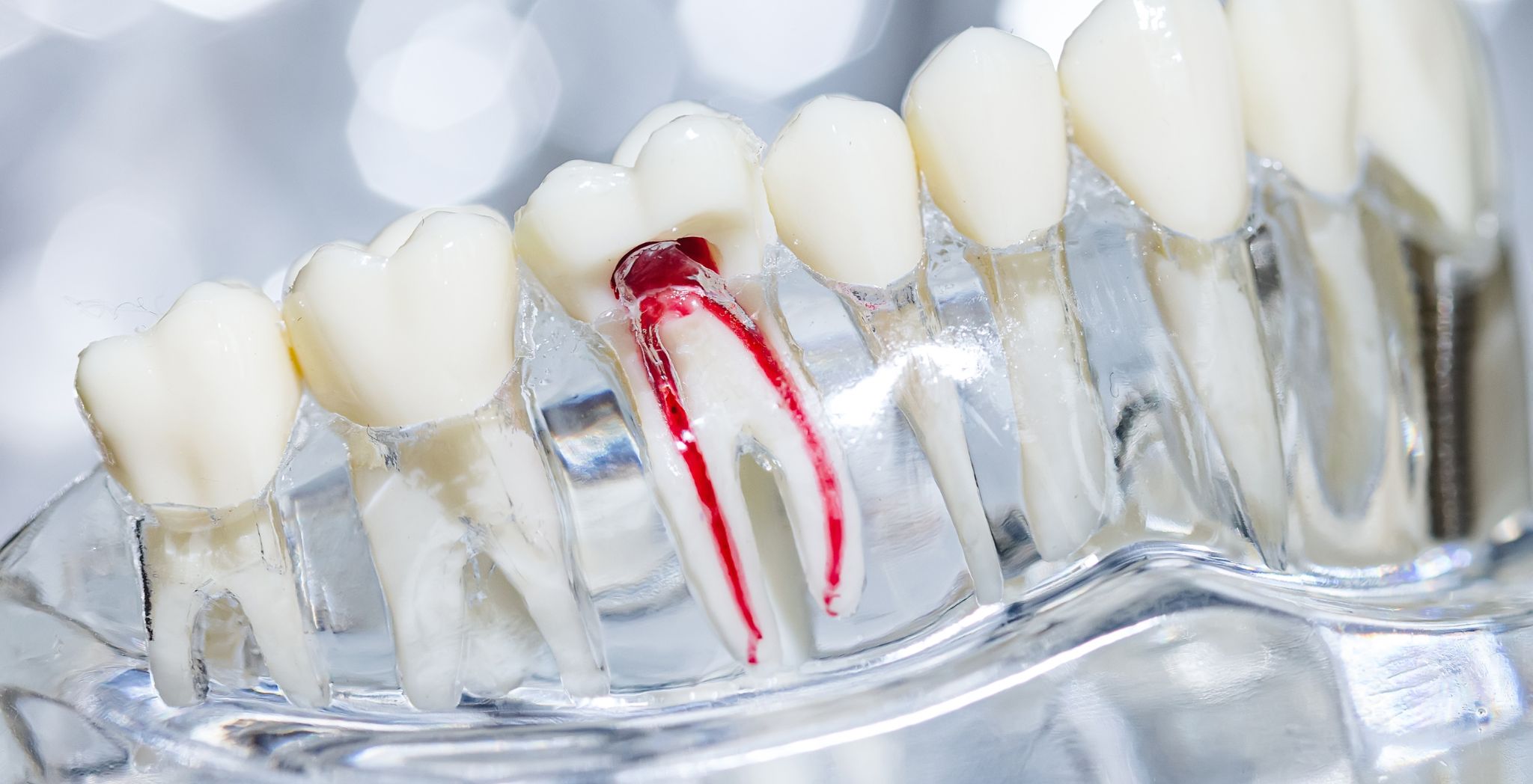
Imagine your tooth is like a cosy little house. Inside this house, there’s a living room with nerves and blood vessels – we call this the pulp. Sometimes, unfortunately, unwanted guests like bacteria sneak into this living room, causing a big commotion and infection. A root canal is like a friendly repair crew coming in to gently clean out the living room and seal it up, making sure no more trouble can get in.
If your dentist has recommended a root canal, you might be wondering what happens afterwards. You’re probably curious about getting back to your routine and when that post-treatment discomfort will fade away. Don’t worry, you’re not alone! Understanding the root canal recovery process can help you feel more prepared and ease any anxieties you might have.
This blog post will walk you through what to expect during your root canal recovery. We’ll explore the typical timeline, the things that can influence how quickly you heal, common sensations you might experience, and, most importantly, how to make your recovery as smooth as possible. So, let’s dive in and learn more about getting back to smiling comfortably after your root canal.
What Is a Root Canal?
Before we talk about recovery, let’s quickly recap what a root canal is. As we mentioned earlier, the inside of your tooth contains the pulp, which is made up of nerves, blood vessels, and connective tissue. When this pulp becomes infected or damaged – often due to deep decay, a cracked tooth, or repeated dental procedures – a root canal treatment becomes necessary to save the tooth.
During a root canal, your dentist or an endodontist (a specialist in root canals) will carefully:
- Numb the area: You’ll receive local anesthesia to ensure you don’t feel any pain during the procedure.
- Create an opening: A small access hole is made on the tooth’s surface.
- Clean the canals: Using tiny instruments, the infected or damaged pulp is gently removed from the root canals (the narrow channels inside the tooth’s roots).
- Shape the canals: The canals are cleaned and shaped to prepare them for filling.
- Fill the canals: The cleaned canals are filled with a biocompatible material, usually gutta-percha, to prevent future infection.
- Seal the tooth: The opening in the tooth is sealed with a temporary or permanent filling.
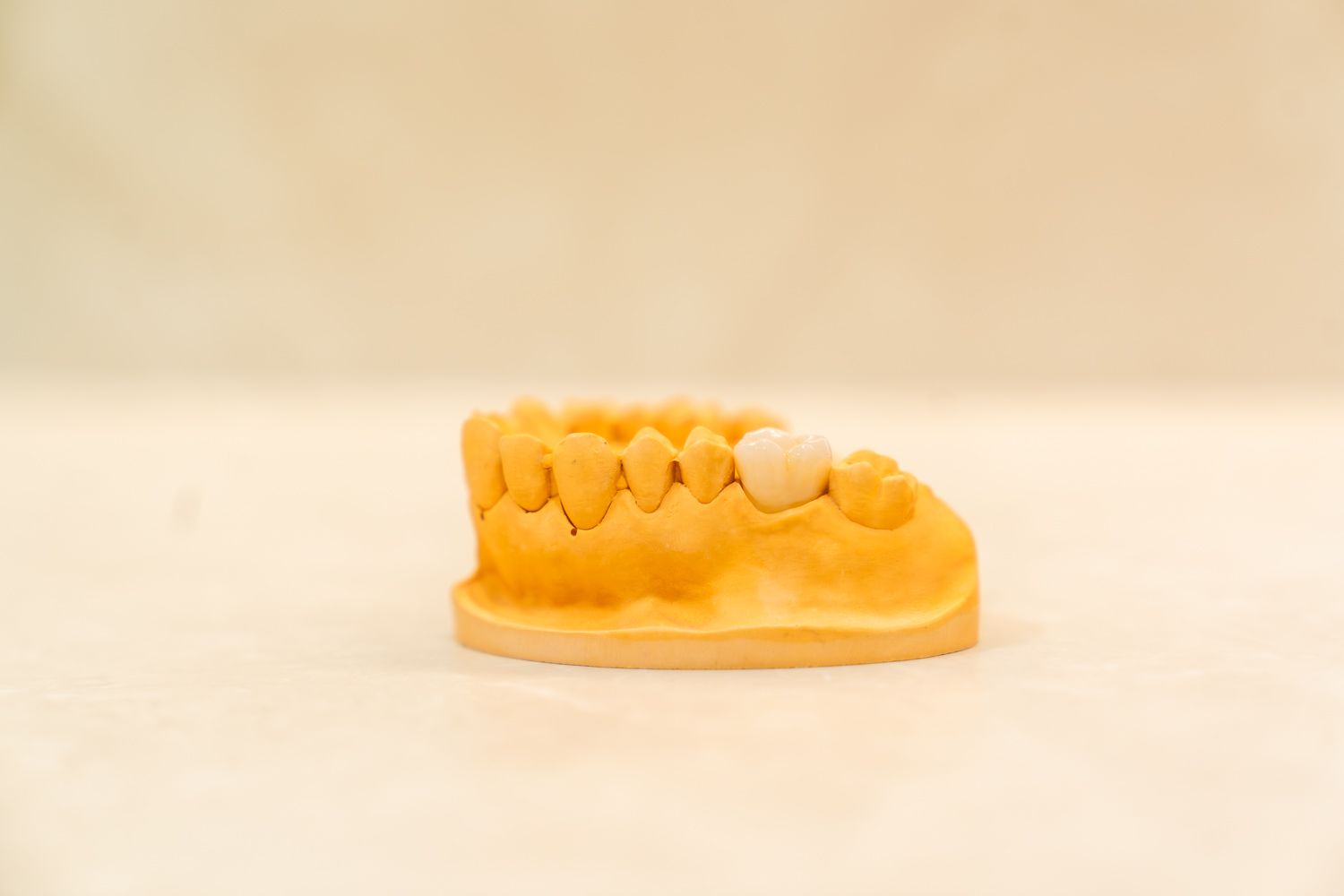
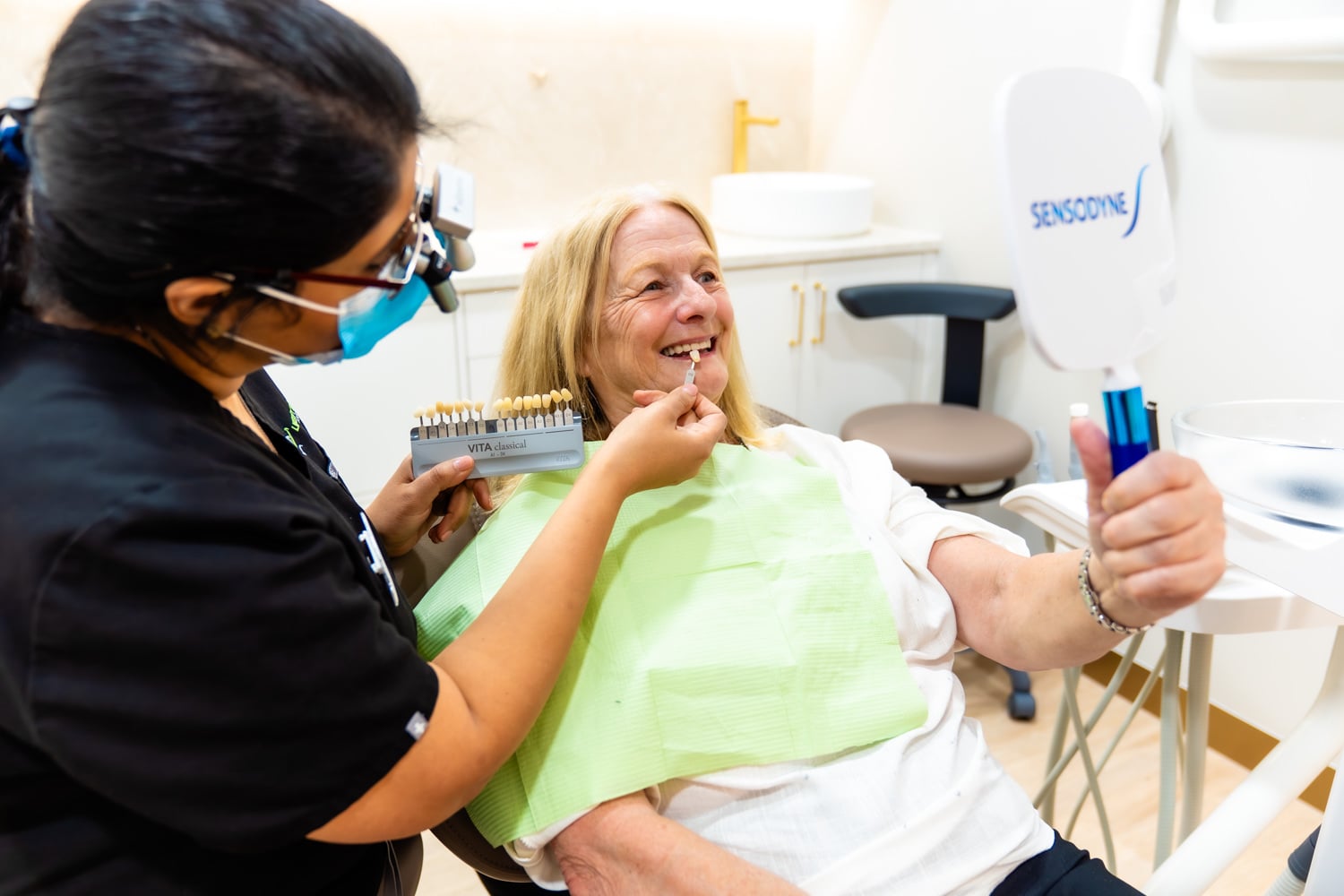
Often, after a root canal, your dentist will recommend a crown to protect the treated tooth and restore its full function and appearance. Think of the crown as a little helmet for your tooth, making it strong and able to withstand chewing.
Typical Recovery Timeline
Now, let’s get to the question you’re most likely interested in: how long does root canal recovery actually take? The good news is that most people experience relatively quick recovery, and significant discomfort usually subsides within a few days to a week.
Here’s a general timeline of what you might expect:
Immediately After the Procedure (First Few Hours):
- Numbness: Your mouth will likely be numb for a few hours due to the local anesthesia. Be very careful not to bite your cheek, tongue, or lip until the numbness wears off.
- Initial Discomfort: Once the anesthesia wears off, you might experience some tenderness, mild pain, and sensitivity in the treated area. This is normal as your body reacts to the procedure.
First Few Days (2-3 Days):
- Peak Discomfort: The discomfort is usually most noticeable during the first 24-72 hours. It might feel like a dull ache, pressure, or sensitivity, especially when biting or chewing.
- Swelling: Some mild swelling in the gums around the treated tooth is also possible.
- Pain Management: Over-the-counter pain relievers like ibuprofen (Advil, Motrin) or acetaminophen (Tylenol) are usually effective in managing this discomfort. Your dentist might also recommend stronger pain medication in some cases.
Within a Week (Up to 7 Days):
- Gradual Improvement: You should notice a significant improvement in your symptoms within a week. The pain and swelling should gradually decrease.
- Returning to Normal Activities: Most people can return to their normal daily activities, including work or school, within a day or two after the procedure. However, it’s best to avoid chewing on the treated side of your mouth.
One to Two Weeks:
- Continued Healing: Any remaining mild tenderness or sensitivity should continue to subside.
- Crown Placement: If you are getting a permanent crown, this appointment usually takes place within a week or two after the root canal. Once the crown is in place, your tooth should feel much more comfortable and stable.
Longer Term:
- Complete Healing: While the initial discomfort fades quickly, the internal tissues might take a little longer to fully heal. However, you shouldn’t experience significant pain or discomfort after the first week or two.
- Normal Function: With proper care and the placement of a crown, your treated tooth should function normally for many years, just like your other teeth.
It’s important to remember that this is a general timeline, and individual experiences can vary. Some people might recover faster, while others might take a little longer.
Factors That Affect Recovery Time
Several factors can influence how long your root canal recovery takes:
- Severity of the Infection: If the infection in your tooth is severe or has spread to the surrounding tissues, your recovery might take a bit longer. The body needs more time to heal from a more extensive inflammatory response.
- Complexity of the Root Canal: Some teeth have more complex root canal systems with multiple or curved canals. Treating these teeth might require more time and effort, potentially leading to slightly longer post-operative tenderness.
- Individual Pain Tolerance: Everyone experiences pain differently. People with a lower pain tolerance might perceive the discomfort as being more intense or lasting longer.
- Overall Health: Your general health and immune system play a role in the healing process. Individuals with underlying health conditions or weakened immune systems might experience a slightly prolonged recovery.
- Following Post-Operative Instructions: Adhering to your dentist’s instructions, such as taking prescribed medications, applying ice packs, and avoiding hard or chewy foods, can significantly impact your recovery speed.
- Bruxism (Teeth Grinding): If you grind your teeth, especially at night, it can put extra pressure on the treated tooth and potentially prolong discomfort. Your dentist might recommend a nightguard to protect your teeth.
- Re-treatment: If you’ve had a previous root canal on the same tooth and are undergoing re-treatment, the recovery might be slightly longer due to the additional complexity.
Understanding these factors can help you have a more realistic expectation of your recovery timeline.
Common Post-Treatment Symptoms
It’s helpful to know what sensations are normal after a root canal so you don’t get unnecessarily worried. Here are some common post-treatment symptoms:
- Tenderness: This is the most common symptom and is usually localised to the treated tooth and surrounding gums. It’s your body’s natural response to the procedure.
- Mild Pain or Aching: You might experience a dull ache or throbbing sensation. This is usually manageable with over-the-counter pain medication.
- Sensitivity to Pressure: Your treated tooth might feel sensitive when you bite down or touch it. This should gradually improve as the tissues heal.
- Mild Swelling: Some slight swelling in the gums or cheek near the treated tooth is possible, especially in the first day or two.
- Bruising (Rare): In rare cases, you might experience mild bruising outside your cheek. This usually resolves on its own within a few days.
When to Be Concerned:
While the symptoms above are generally normal, certain signs could indicate a complication and warrant a call to your dentist. Contact your dentist immediately if you experience any of the following:
- Severe Pain: Pain that is not controlled by over-the-counter medication or worsens over time.
- Significant Swelling: Swelling that increases or spreads to other areas of your face or neck.
- Prolonged Numbness: Numbness that lasts for more than a few hours after the expected time.
- Fever: A temperature of 100.4°F (38°C) or higher.
- Drainage or Pus: Any sign of infection, such as pus or discharge from the treated area.
- Allergic Reaction: Symptoms like rash, itching, or difficulty breathing (though rare with local anesthesia).
Don’t hesitate to reach out to your dental team if you have any concerns about your recovery. They are there to help you. If you are in the Wheelers Hill or Springvale area, your local dentist Wheelers Hill will be able to provide specific advice and care.
Tips for a Smooth Recovery
To help ensure a smooth and speedy recovery after your root canal, follow these tips:
- Follow Your Dentist’s Instructions: This is the most important step. Your dentist will provide specific instructions regarding pain management, diet, and oral hygiene.
- Take Pain Medication as Prescribed or Recommended: Don’t wait until the pain becomes severe to take medication. Over-the-counter pain relievers are usually sufficient, but take them as directed. If your dentist prescribed stronger pain medication, take it according to the prescription.
- Apply Ice Packs: Applying an ice pack to the outside of your cheek near the treated area for 15-20 minutes at a time, several times a day can help reduce swelling and discomfort, especially in the first 24-48 hours.
- Rest: Allow your body time to heal. Avoid strenuous activities for the first day or two after the procedure.
- Eat Soft Foods: Stick to soft foods like yogurt, soup, mashed potatoes, and eggs for the first few days. Avoid hard, crunchy, or chewy foods that could put pressure on the treated tooth.
- Chew on the Opposite Side: Try to chew your food on the side of your mouth away from the treated tooth to avoid putting direct pressure on it.
- Maintain Good Oral Hygiene: Continue to brush and floss gently, but be careful around the treated area, especially in the first few days. Your dentist might advise you to avoid flossing directly around the treated tooth initially.
- Rinse Gently: Your dentist might recommend rinsing your mouth gently with warm salt water a few times a day, starting the day after the procedure. This can help keep the area clean and promote healing. Avoid vigorous rinsing or spitting.
- Avoid Smoking: Smoking can significantly delay healing and increase the risk of complications after any dental procedure. It’s best to avoid smoking altogether, especially during your recovery.
- Attend Follow-Up Appointments: Make sure to attend any scheduled follow-up appointments with your dentist. These appointments are crucial for monitoring your healing and placing the permanent crown if needed.
By following these tips, you can minimise discomfort and promote optimal healing after your root canal.
When to Contact Your Dentist (Revisited)
We touched on this earlier, but it’s worth reiterating when you should reach out to your dentist after a root canal. Don’t hesitate to contact them if you experience:
- Uncontrolled or Worsening Pain
- Significant or Spreading Swelling
- Prolonged Numbness
- Fever
- Signs of Infection (Pus or Drainage)
- An Allergic Reaction
- Any Other Concerning Symptoms
Your dental team like dental springvale is there to support you throughout your recovery process.
Long-Term Care After a Root Canal
Once your root canal is complete and your tooth is restored (usually with a crown), it’s essential to take good care of it in the long term. A root canal-treated tooth can last many years, even a lifetime, with proper care. Here’s what you need to do:
- Maintain Excellent Oral Hygiene: Brush your teeth at least twice a day and floss daily. Pay attention to the area around your treated tooth.
- Regular Dental Checkups: Schedule and attend regular dental checkups and cleanings. Your dentist will monitor the health of your treated tooth and your overall oral health.
- Avoid Excessive Force: While your crowned tooth should be strong, avoid using it to open bottles or crack nuts, as this could potentially damage it.
- Address Teeth Grinding: If you grind your teeth, wear a nightguard as recommended by your dentist to protect your treated tooth and other teeth from excessive pressure.
- Report Any Changes: If you notice any pain, sensitivity, swelling, or changes in the appearance of your treated tooth in the future, contact your dentist promptly.
Think of your root canal-treated tooth as a restored part of your smile. With proper care and attention, it can continue to function comfortably and effectively for years.
Conclusion
Undergoing a root canal might seem daunting, but understanding the recovery process can ease your worries. The typical recovery involves a few days of mild discomfort that is usually well-managed with over-the-counter pain relievers.
By following your dentist’s instructions and taking good care of your mouth, you can ensure a smooth and successful recovery. Remember that individual experiences can vary, and it’s always best to contact your dentist if you have any concerns.
With proper care, your root canal-treated tooth can give you many more years of comfortable chewing and a confident smile. So, take a deep breath, follow the advice provided, and you’ll return to feeling yourself in no time!
And if you’re looking for excellent dental care in Wheelers Hill or Springvale, remember to reach out to your local dental professionals for personalised guidance and support.