
Root Canal Therapy Wheelers Hill, Mount Waverley, Melbourne
At Liberty Dental in Wheelers Hill and Mount Waverley, root canal therapy is a carefully managed way to treat an infected tooth and preserve your natural smile.
A Solution That Soothes and Saves
Root canal therapy has a reputation, but at Liberty Dental, it is simply a considered, well-established treatment that protects your tooth when the nerve becomes infected or inflamed. With advanced technology and a calm, precise approach, our aim is for the process to be well-managed, carefully explained, and carried out under local anaesthetic.
What It Really Means to “Get a Root Canal”
Inside every tooth is a chamber containing nerves and blood vessels. When this soft tissue becomes infected or damaged, it can cause significant discomfort or lead to further complications. Root canal therapy involves carefully removing the infected tissue, cleaning the inner space, and sealing the tooth to prevent reinfection.
At Liberty Dental, our approach is focused, conservative, and built around long-term success. The goal is not just to relieve pain, but to help you keep your natural tooth for as long as possible. Thanks to local anaesthetic and modern tools, many patients find root canals feel similar to getting a filling.
Inside every tooth is a chamber containing nerves and blood vessels. When this soft tissue becomes infected or damaged, it can cause significant discomfort or lead to further complications. Root canal therapy involves carefully removing the infected tissue, cleaning the inner space, and sealing the tooth to prevent reinfection.
At Liberty Dental, our approach is focused, conservative, and built around long-term success. The goal is not just to relieve pain, but to help you keep your natural tooth for as long as possible. Thanks to local anaesthetic and modern tools, many patients find root canals feel similar to getting a filling.
When You May Need Root Canal Therapy
Root canal therapy is needed when the soft tissue inside the tooth, known as the pulp, becomes infected or inflamed. Acting early may help reduce further damage, lower the risk of complications, and increase the chance of saving the tooth. Pain, sensitivity, or swelling are often signs something deeper needs attention.
You may benefit from this treatment if you:
- Experience pain when chewing or biting
- Have lingering sensitivity to hot or cold
- Notice swelling or tenderness in the gums
- Have a tooth that is darkening in colour
- See a pimple-like bump on the gum
- Have been told the nerve inside the tooth is damaged
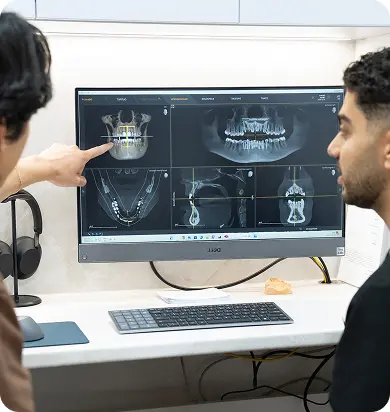
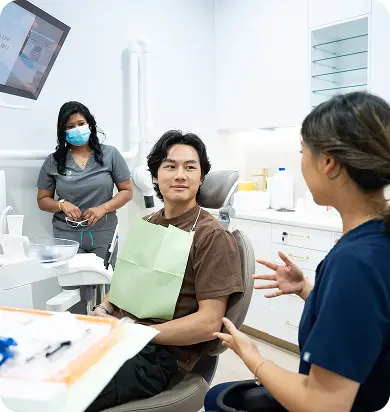
We use digital imaging, nerve testing, and clinical assessment to determine whether the pulp can heal on its own or needs intervention. If root canal therapy is recommended, we explain the process in full and tailor the approach to ensure both your comfort and the long-term success of the tooth.
Your Root Canal, Step by Step
Our process is calm, clear, and tailored to ensure your comfort.
-
Diagnosis and Imaging
We perform thermal testing and digital scans to identify which tooth is affected and confirm whether the nerve is infected, damaged, or inflamed.
-
Anaesthetic and Isolation
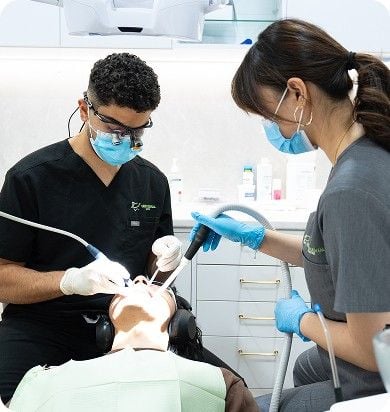
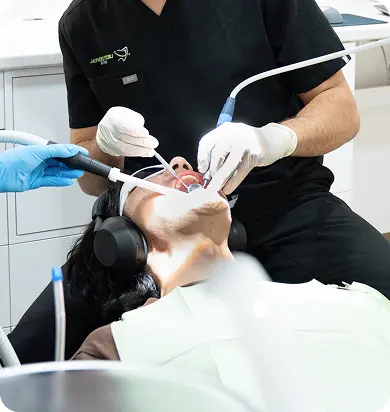
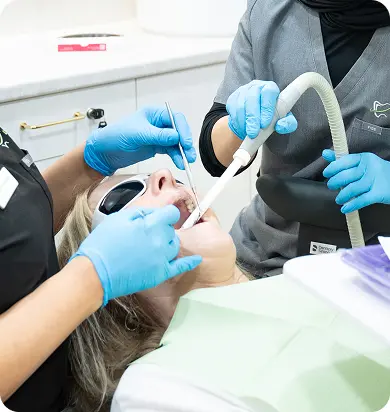
We use local anaesthetic to fully numb the tooth and isolate it using a rubber dam to keep the area clean and dry during treatment.
-
Pulp Removal and Cleaning
The infected pulp is carefully removed, and the canal system is disinfected and shaped using fine instruments designed for precision and thorough cleaning.
-
Shaping and Sealing
Once cleaned, the canals are filled with a rubber-like material that seals the space and helps prevent future infection or bacterial buildup.
-
Temporary or Final Restoration
A temporary filling may be placed between appointments. Once healing is confirmed, we restore the tooth with a crown or bonded restoration.
-
Follow-Up and Monitoring
We review the treated tooth at future visits to ensure healing is complete, the restoration remains intact, and your bite remains balanced and comfortable.
-
-
-
-
Risks and Recovery
Root canal therapy is a routine treatment, but like all dental procedures it carries risks and requires aftercare.
Possible short-term effects include:
- Mild discomfort or sensitivity for several days
- Temporary gum or jaw soreness
- Minor swelling around the treated tooth
Potential risks and limitations include:
- The tooth may require a crown for long-term protection
- Rare chance of reinfection if canals are unusually complex
- Post-treatment discomfort may last longer in some cases
Most patients return to daily activities immediately, with healing monitored at follow-up visits.
Transparent Care, Tailored for You
Curious about your options? Download our new patient guide to explore treatments crafted for every stage of your smile journey.

Frequently Asked Questions
Does root canal therapy hurt?
Thanks to modern anaesthetics, root canals are typically no more uncomfortable than getting a filling. You may feel pressure or mild sensitivity afterward, but the actual treatment is manageable. We take time to numb the area properly and guide you calmly through each step, ensuring your comfort at all times. Many patients feel immediate relief once the infected nerve is removed.
Do I need a crown after a root canal?
In most cases, yes. A crown provides strength and protection to a tooth that has been weakened by infection or treatment. Without the nerve, the tooth becomes more brittle and prone to fracture. We will assess the location and condition of the tooth to determine whether a crown is required or if a bonded filling is sufficient.
How long does a root canal last?
When done properly, a root canal can last for many years. The key is sealing the canals completely and protecting the remaining tooth structure. With regular check-ups, good hygiene, and a strong final restoration, most patients never need further treatment on that tooth. We use modern techniques to ensure lasting success and long-term comfort.
The Liberty Standard
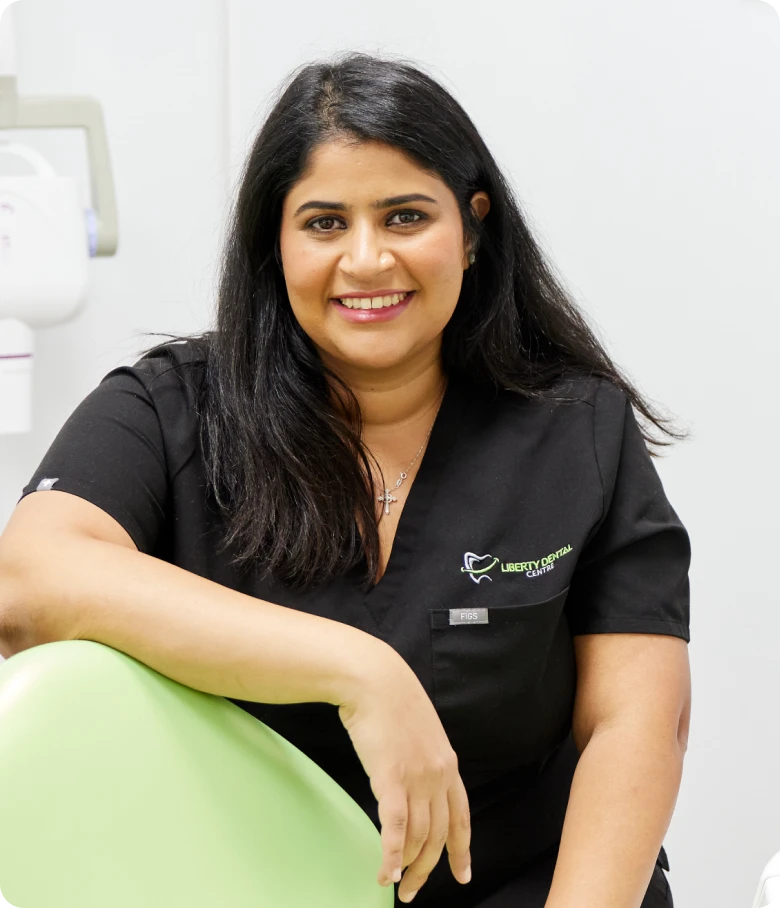
“Your mouth is the gateway to your body, caring for your smile is caring for your health”
Expert Advice From Good Human Beings Who Genuinely Care
Owner and Principal Dentist Dr Marian tells her patients she gives the same thoughtful, considered advice that she would give her closest family member. And she truly means it.
The Only Dentist You’ll Ever Need
Whether you’re looking for your child’s first dental check-up, planning aesthetic improvements, or restoring function – we’re here to help you and your family at all stages of life. If it matters to you, we can explore it together.
Passion for Our Community
We’re 100% committed to giving back in any way we can – as a team and individuals.
The Highest Quality Materials in the Most Skilled Hands
Not all dental materials are created equal. We only use the highest-grade materials imported from Germany and Japan.
So you can trust the quality of our work.





Related General Services


Protect What Matters Most
Root canal therapy is not just about treating pain. It is about helping preserve your natural tooth whenever possible. If something feels off, we are here to provide considered, supportive care.

